Where moisture comes from
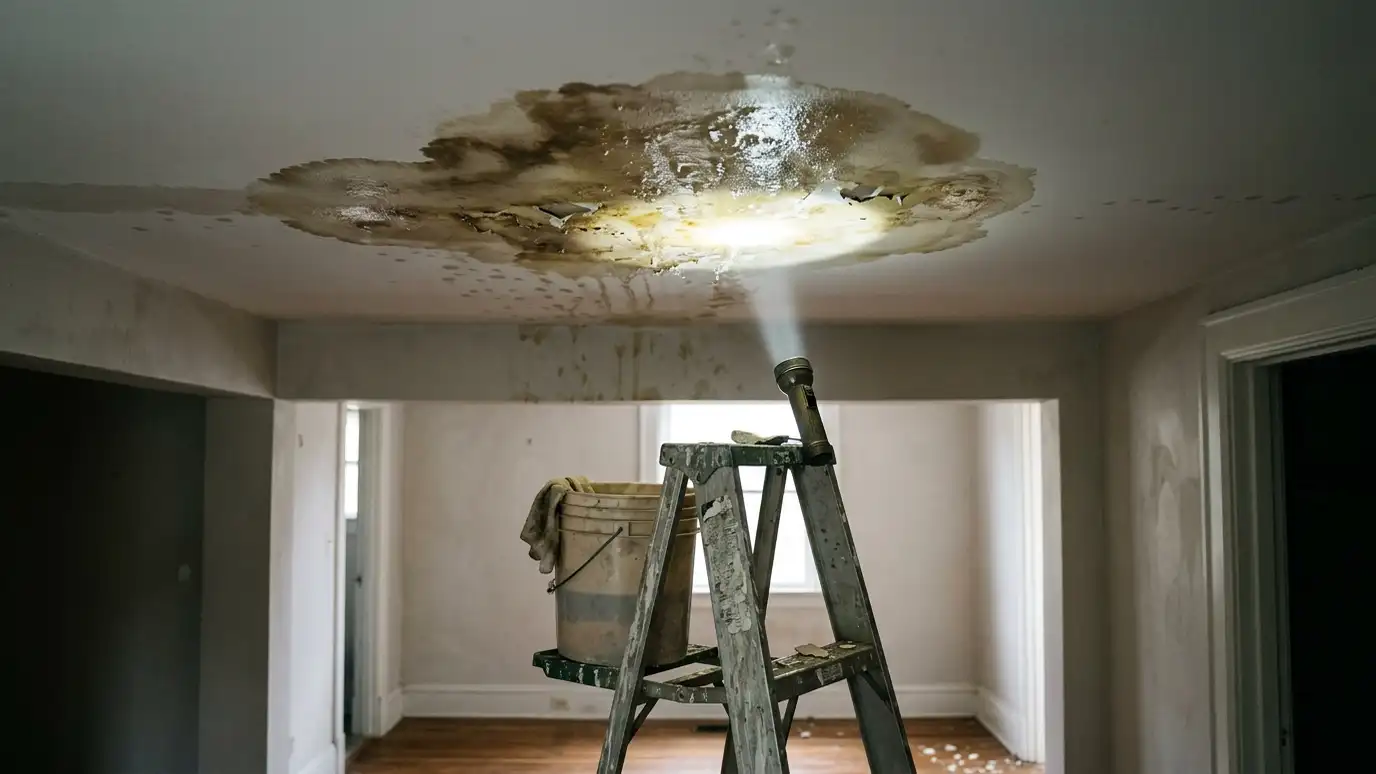
Hot showers release steam, wet towels hold water and small leaks add more. If the room cannot clear the moisture, it settles into surfaces.
Tennessee humidity can make the problem worse in summer.
Finding the source is the first step.
How mold starts
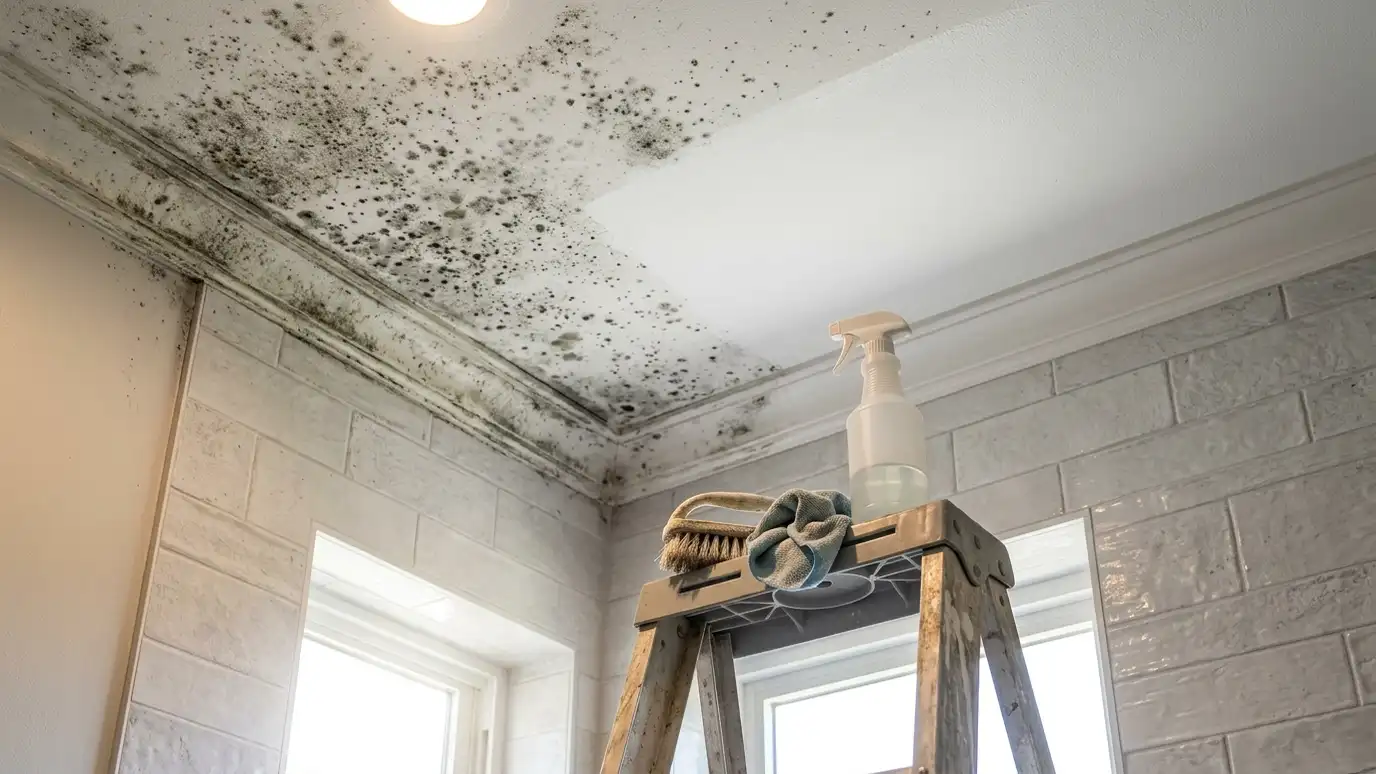
Mold needs moisture, food and time. Soap film, dust and paint give it plenty of food.
Dark spots on caulk or ceiling corners are early signs.
Cleaning helps, and fixing the moisture matters more.
What a good fan does
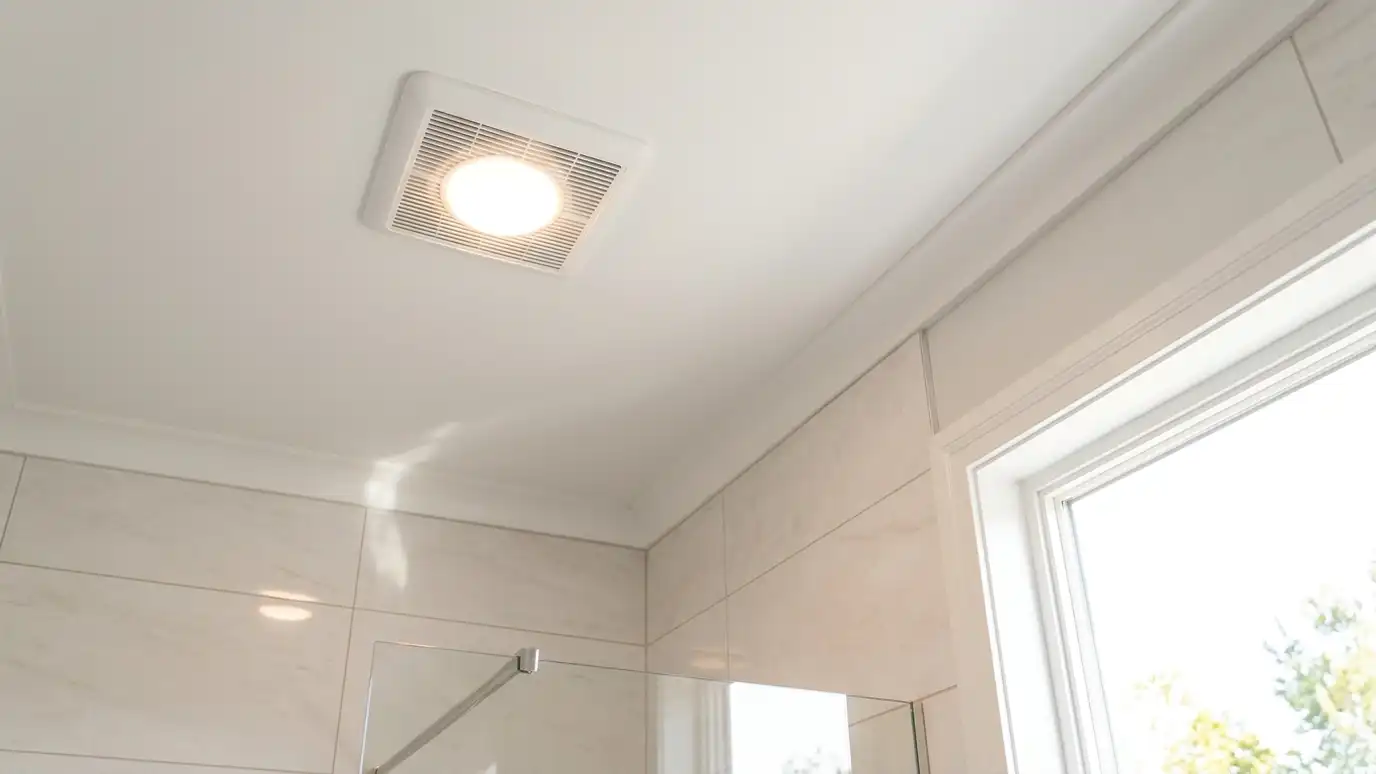
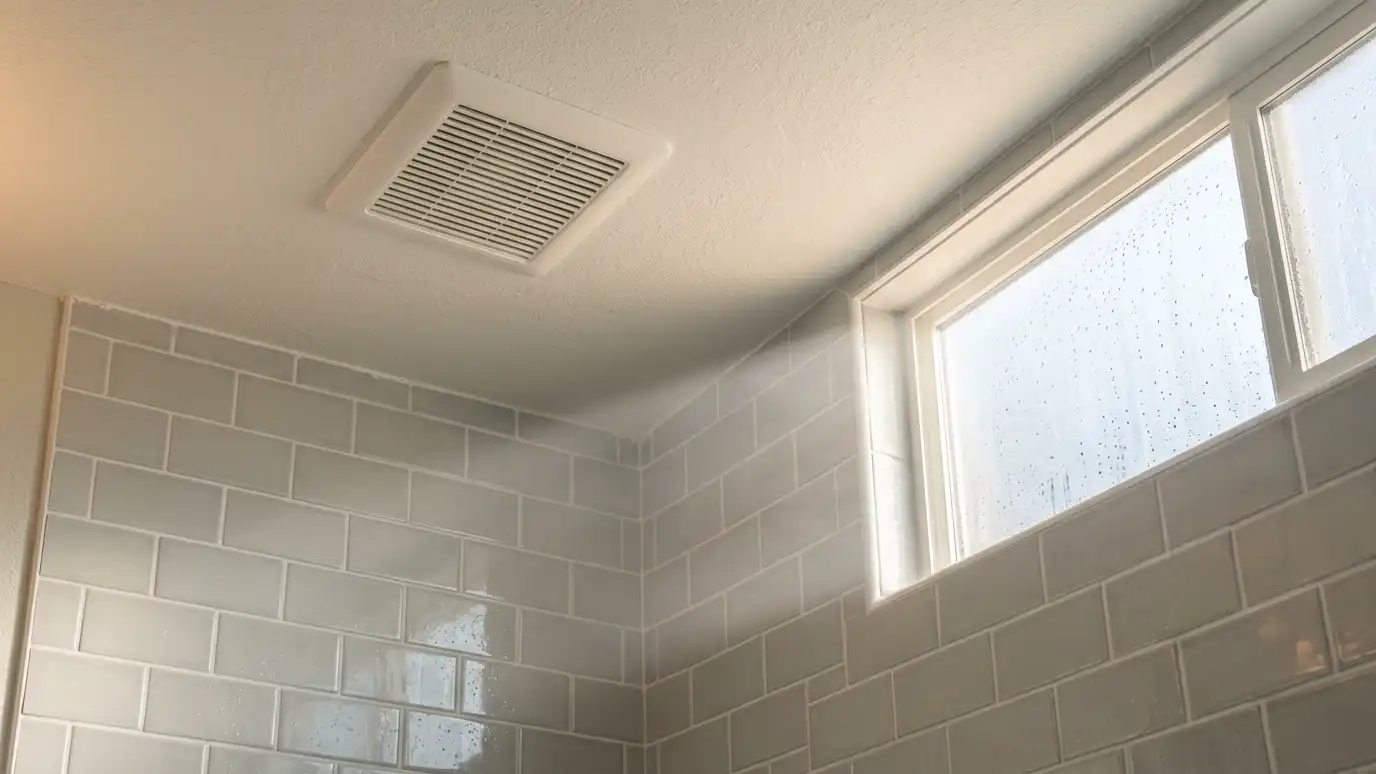
A fan sized to the room and ducted to the outdoors moves steam out. A timer or humidity sensor keeps it running long enough.
Short, straight ducts work best.
We check the whole path when we install or replace a fan.
Materials that help
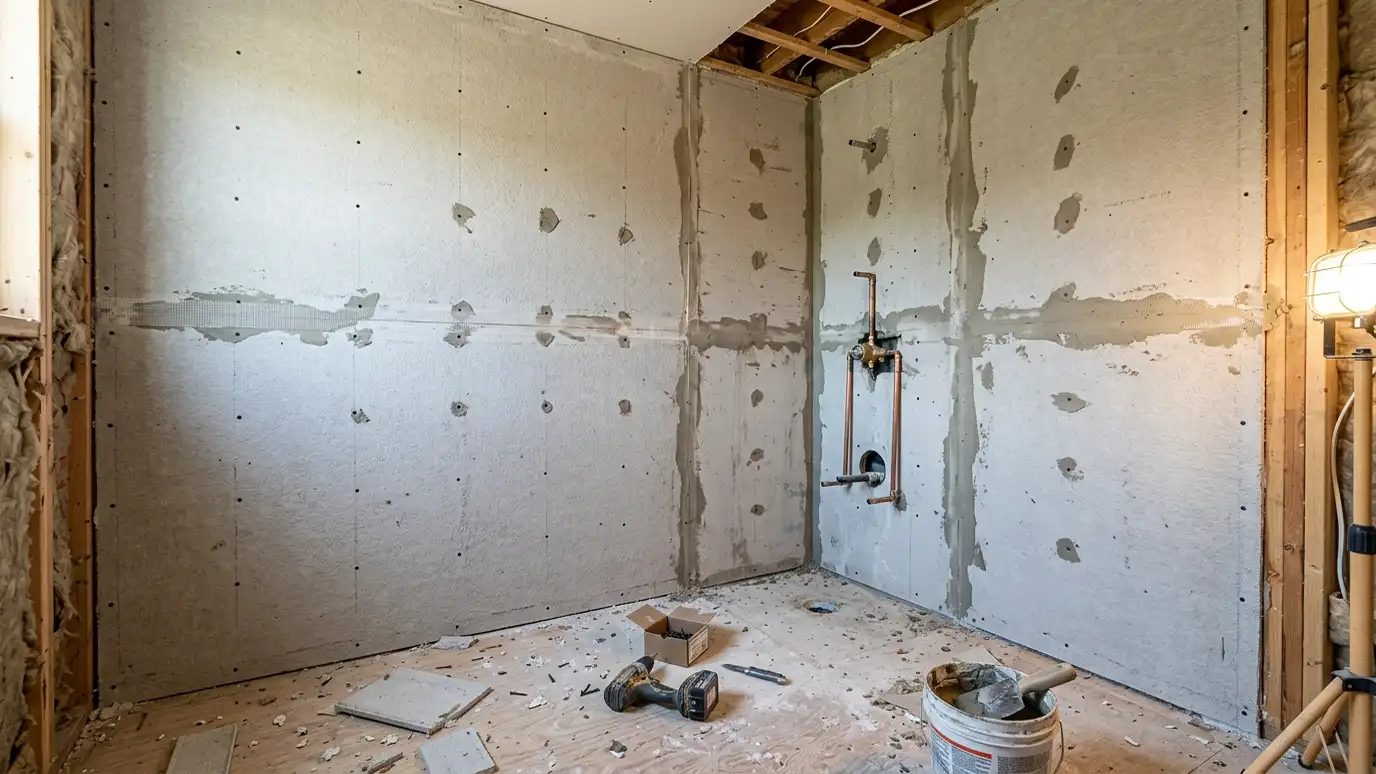
Moisture-resistant boards, washable paint, sealed grout and properly waterproofed showers all reduce risk. Natural stone and wood need extra care.
Good choices protect the structure behind the finish.
We explain what belongs where.
Habits that help
Open the door after showers, hang towels to dry and wipe wet glass or tile when you can. Fix drips quickly.
Small habits add up.
We include a short care guide with every project.
When to call for help
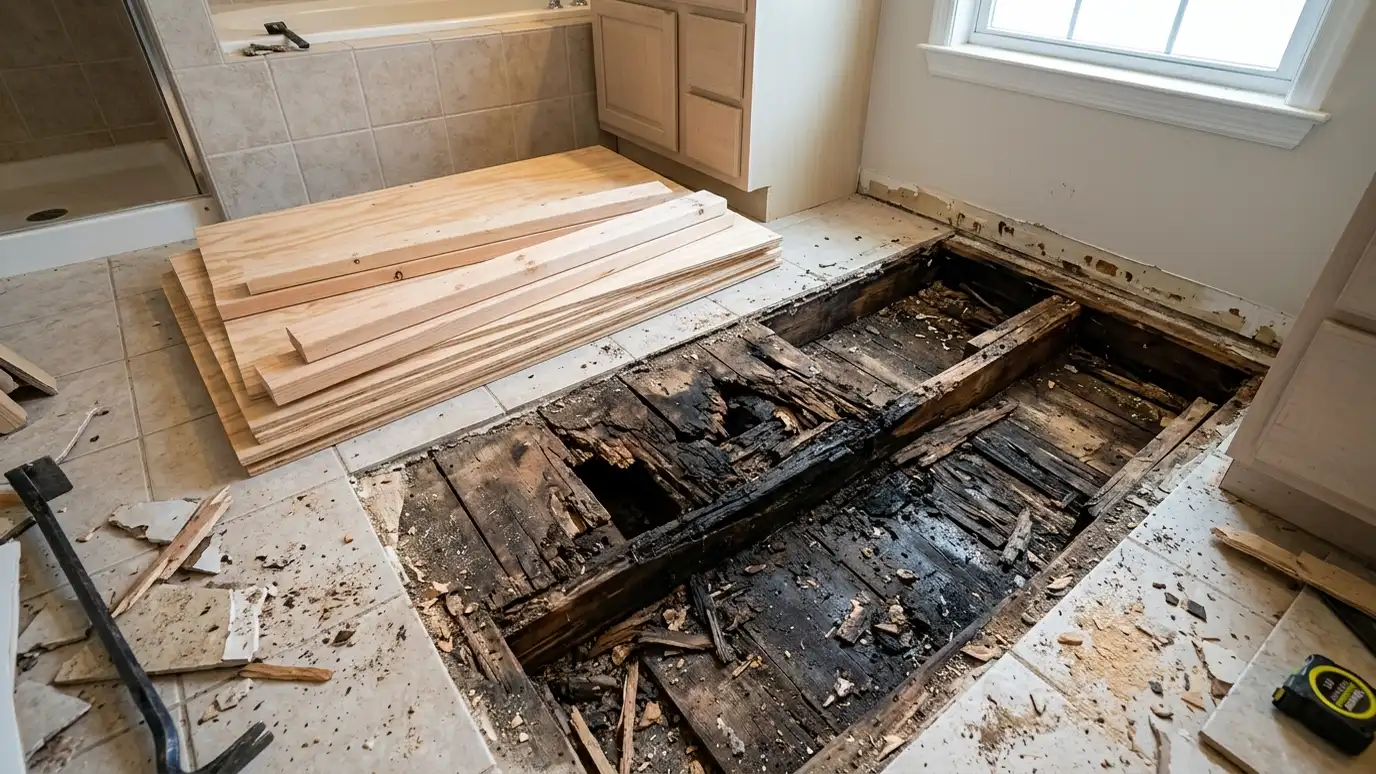
Persistent musty smells, soft spots or growing stains may point to a hidden leak or poor ventilation. A large area may need specialists.
We look for the source and explain options.
Do not paint over moisture problems.
Fix the moisture source first, then clean, and make sure the fan really moves air outside.