When a permit is likely
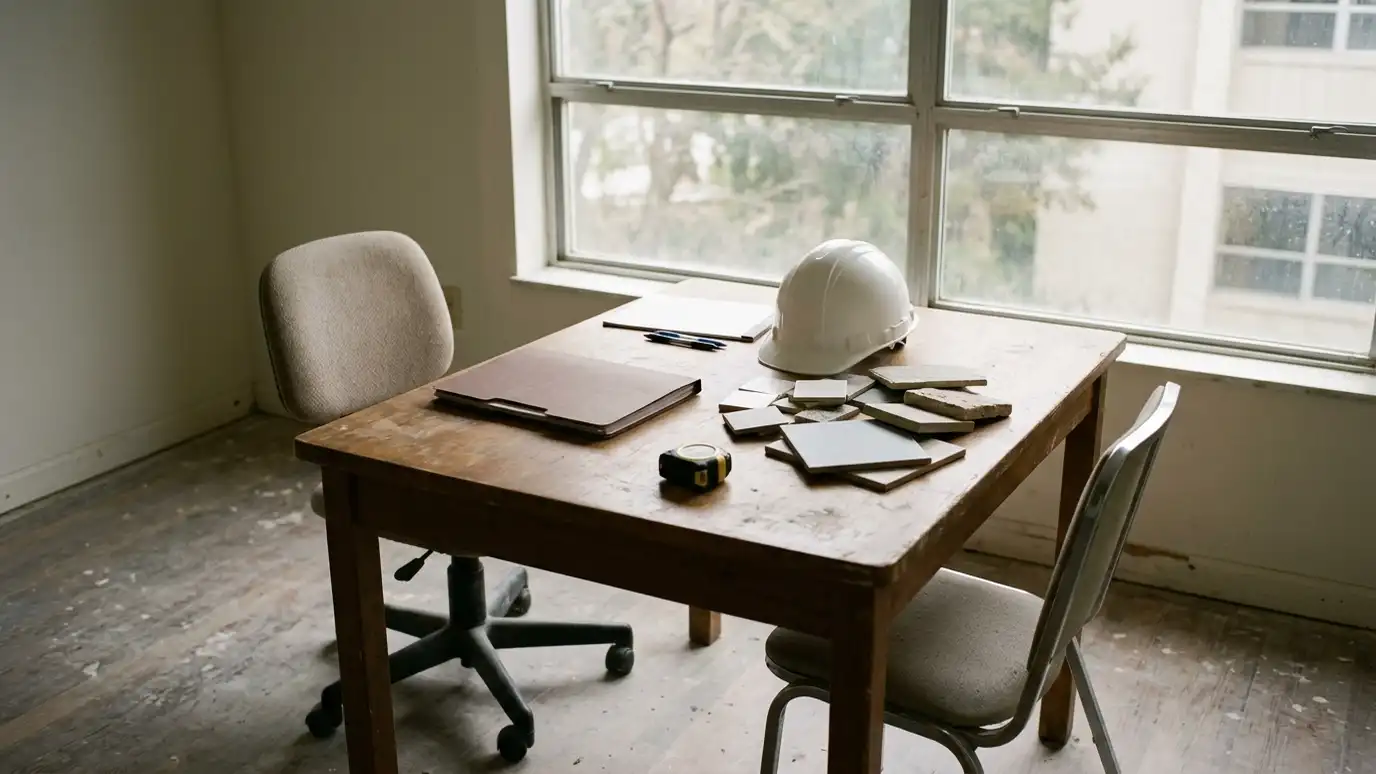
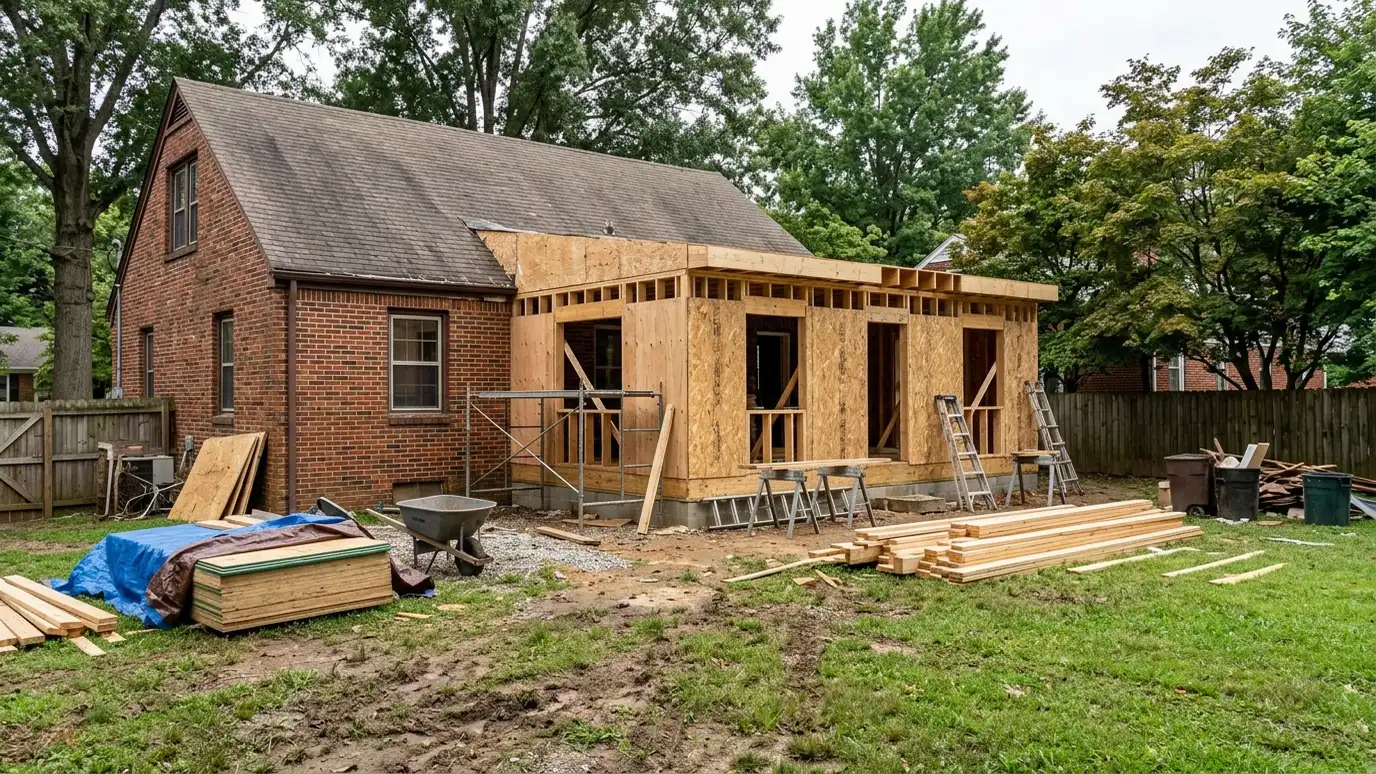
Plumbing changes, new electrical circuits, structural changes and additions often need permits. Replacing a vanity or painting often does not.
Rules in Nashville and nearby cities differ, so we check with the office that serves your address.
When in doubt, we ask before work starts.
What inspectors check
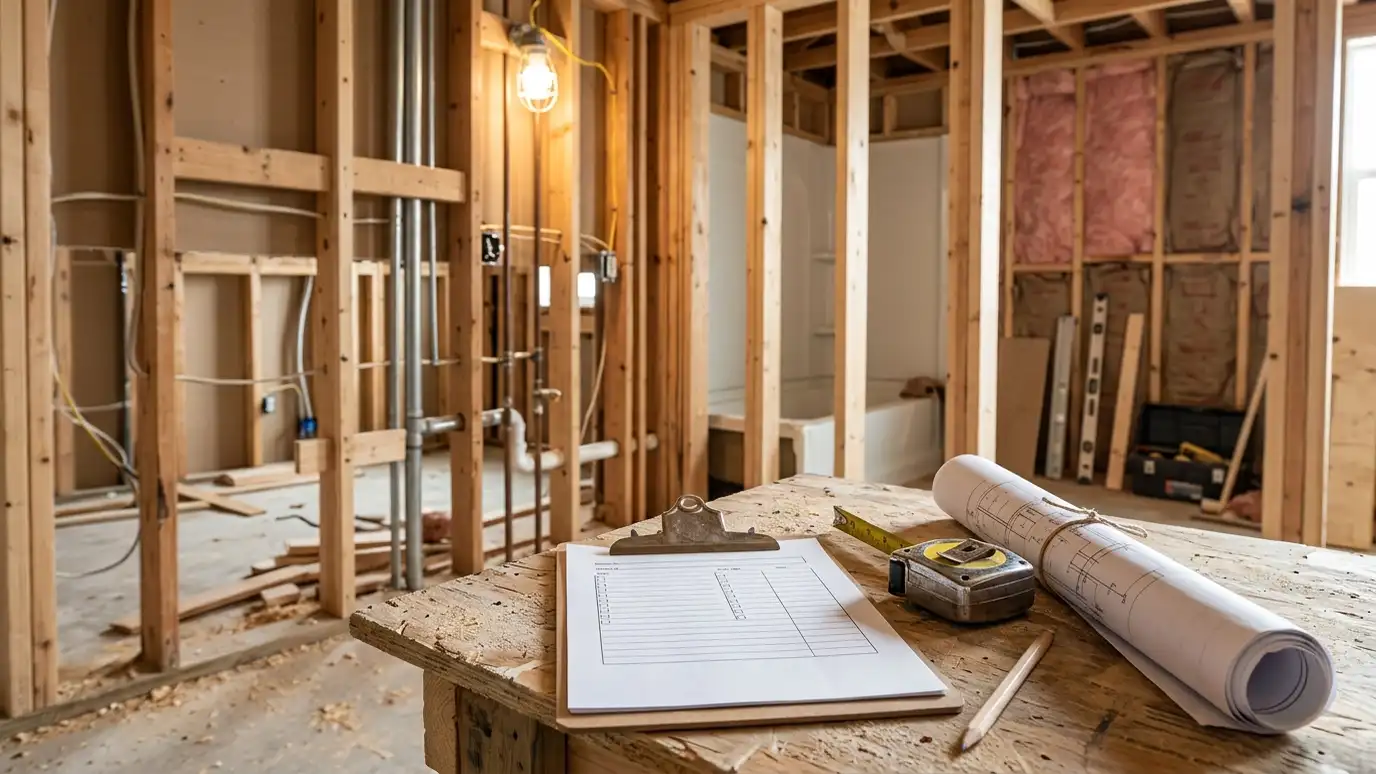
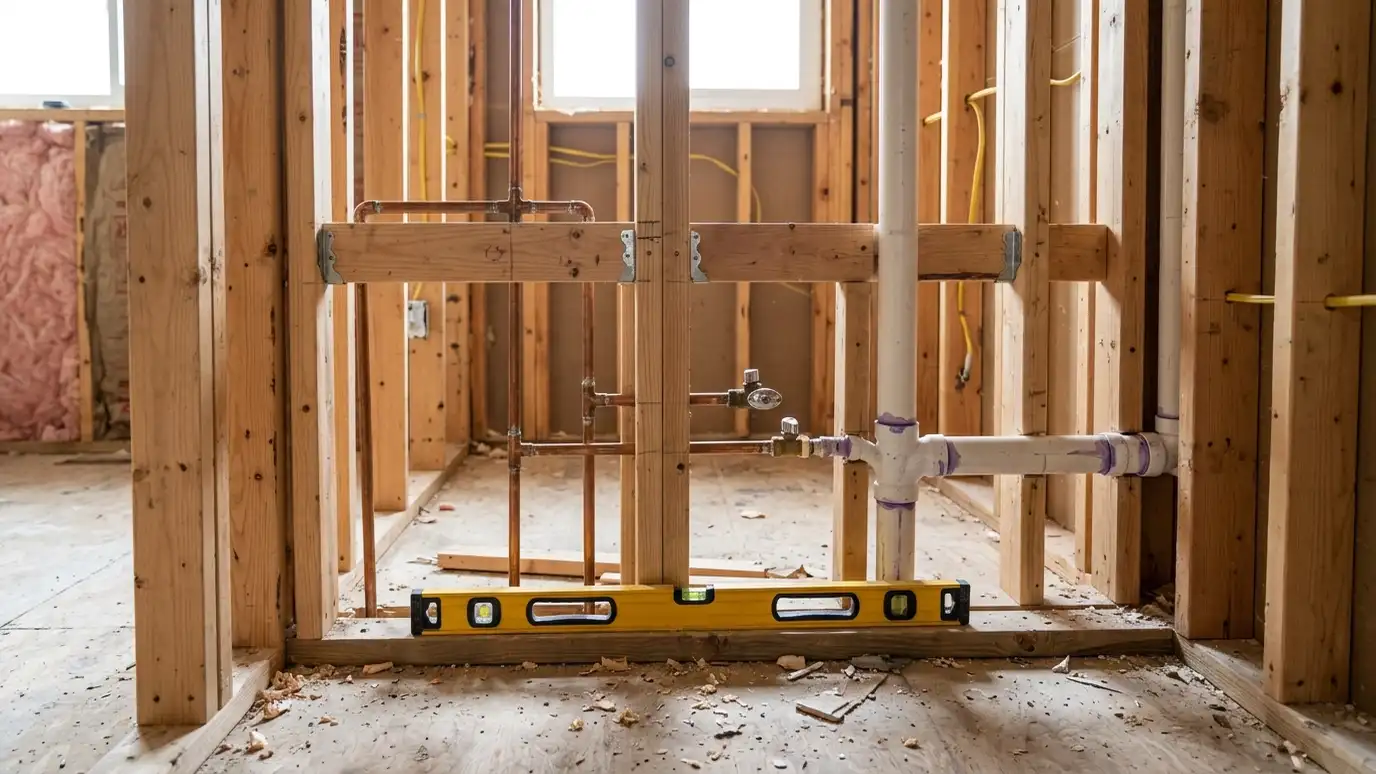
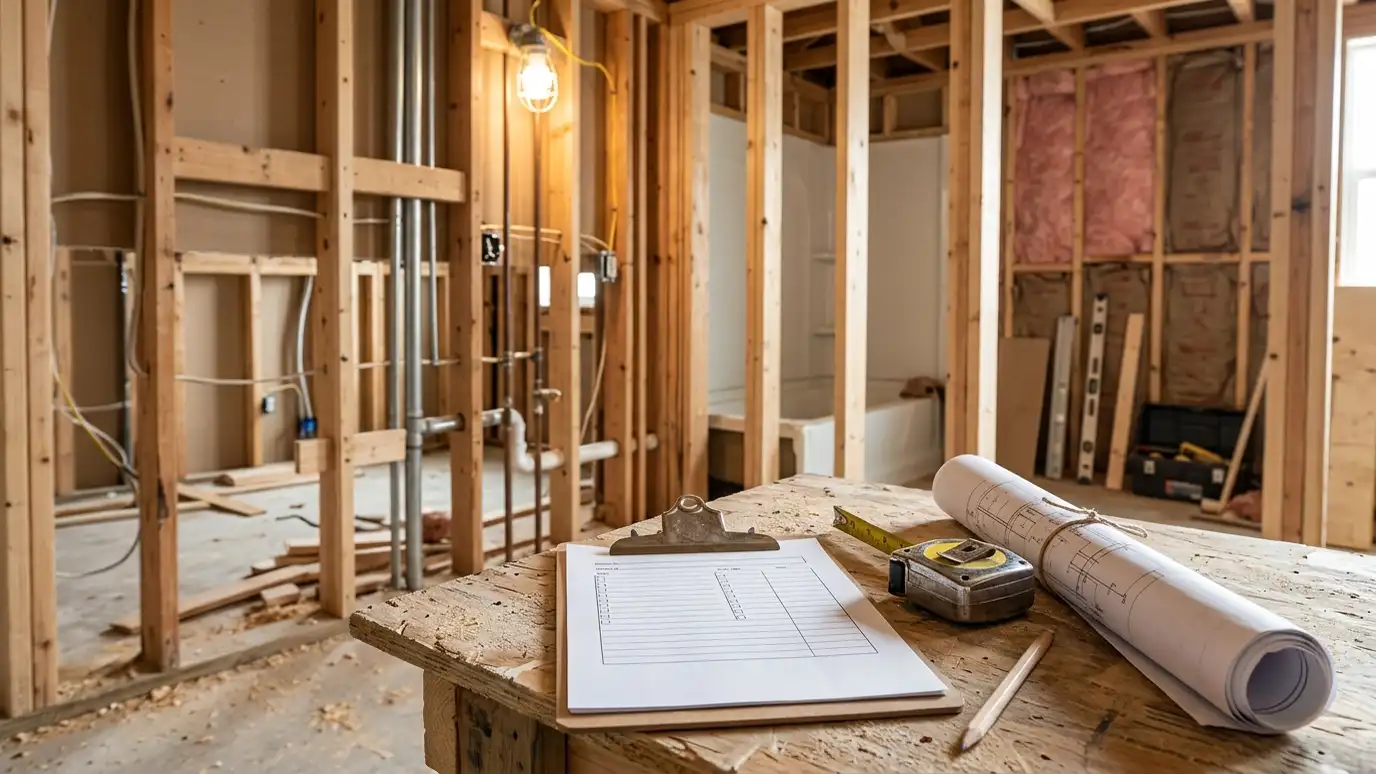
Rough-in inspections look at plumbing, wiring and framing before walls close. Final inspections confirm that fixtures, outlets and ventilation work.
They look for safety and basic compliance with adopted codes.
We keep the work open and the plans on site for their visit.
Codes that touch bathrooms
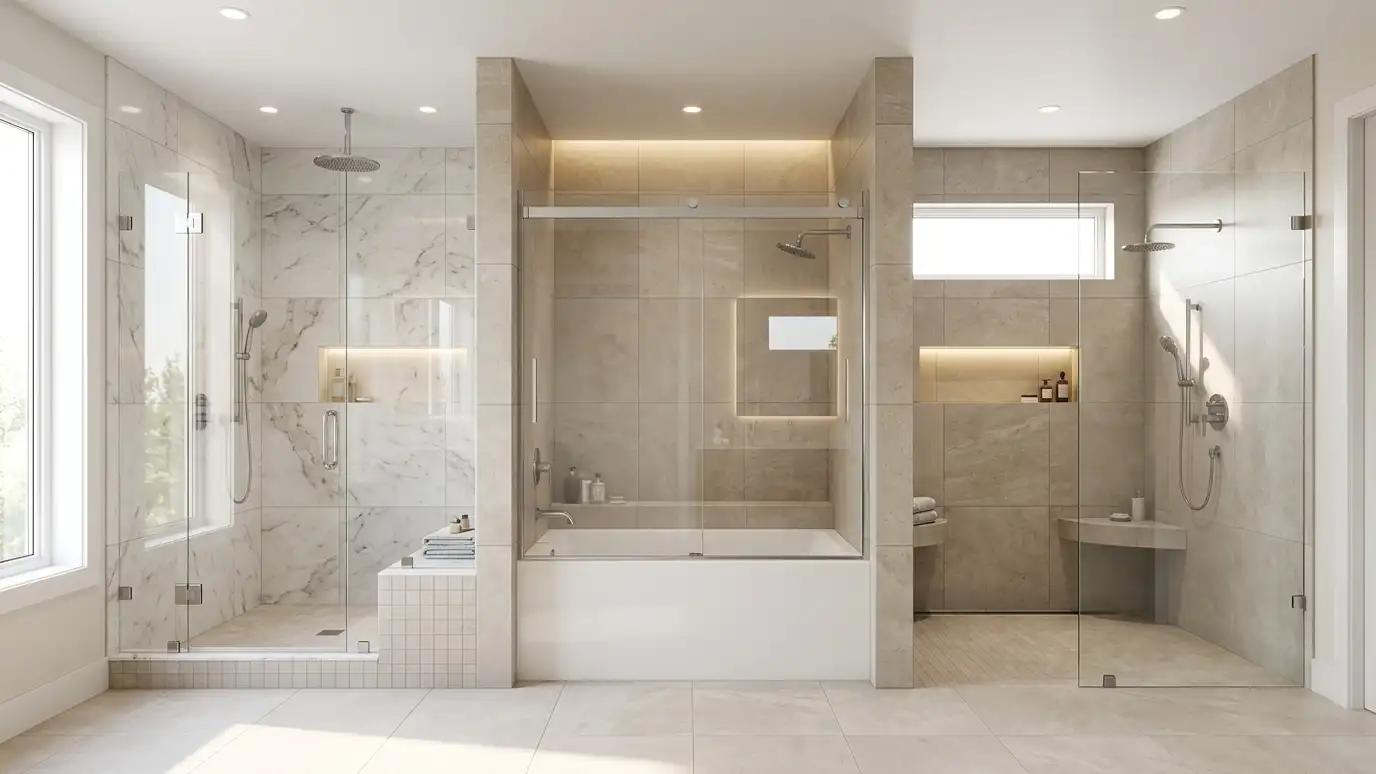
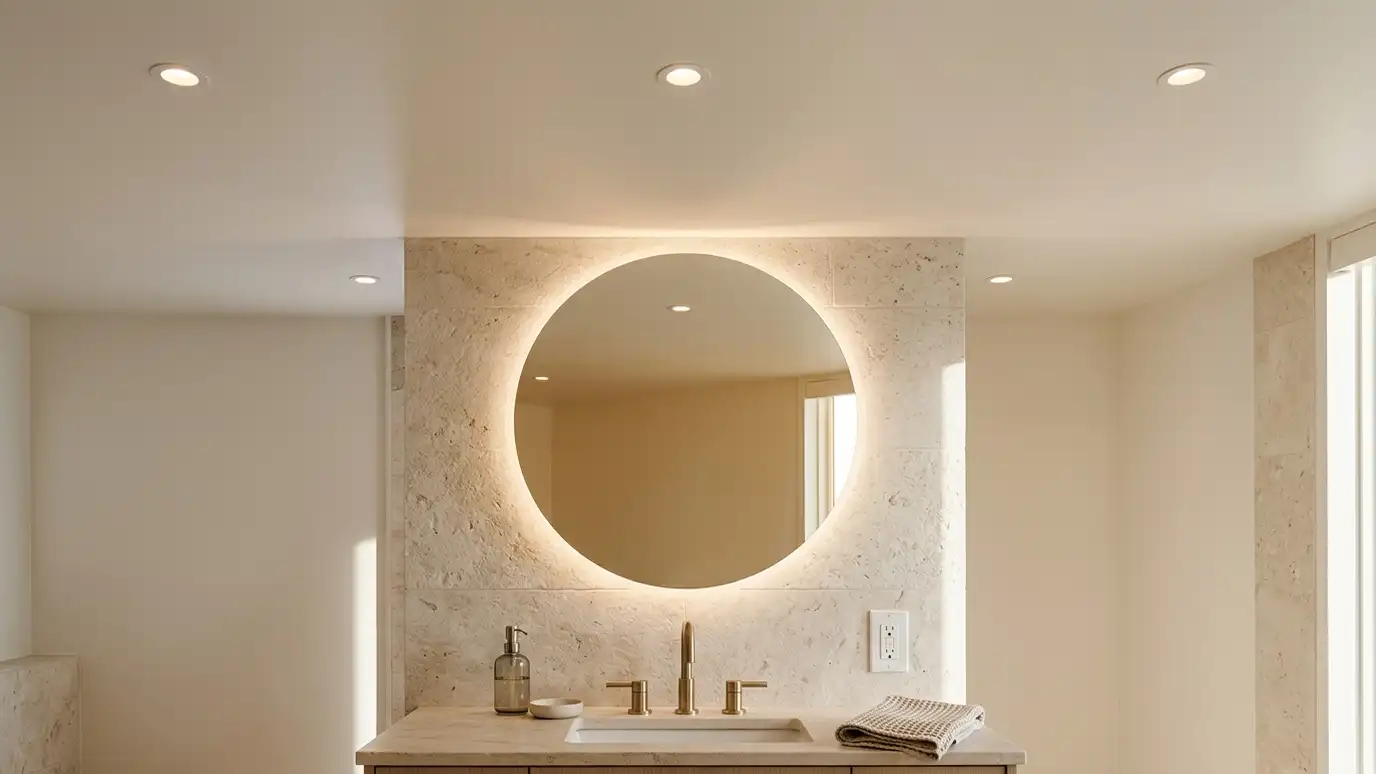
Common topics include ventilation, ground-fault protection near water, clearances around toilets, water-resistant materials in wet areas and safe tempered glass.
Codes change with each adopted edition.
We stay current and explain how each item affects your plan.
Who handles the paperwork
Permits are usually pulled by the remodeler or a qualified trade, depending on the work. We handle the process when it is part of our scope.
You will want copies of approvals for your records.
Keep them with your home documents.
Timing
Permit review can take days or weeks, depending on the office and season. Inspections must be scheduled in the right order.
We build these steps into the schedule.
Starting early keeps the project from waiting on paper.
Why records matter
Permit records can help when you sell the house, answer an insurance question or plan future work. Unpermitted work can raise questions.
Photos of hidden work add a helpful record.
We save both for you at the end of the project.
Ask the local office early, keep the work open for inspections and save every approval with your home records.